3,000+
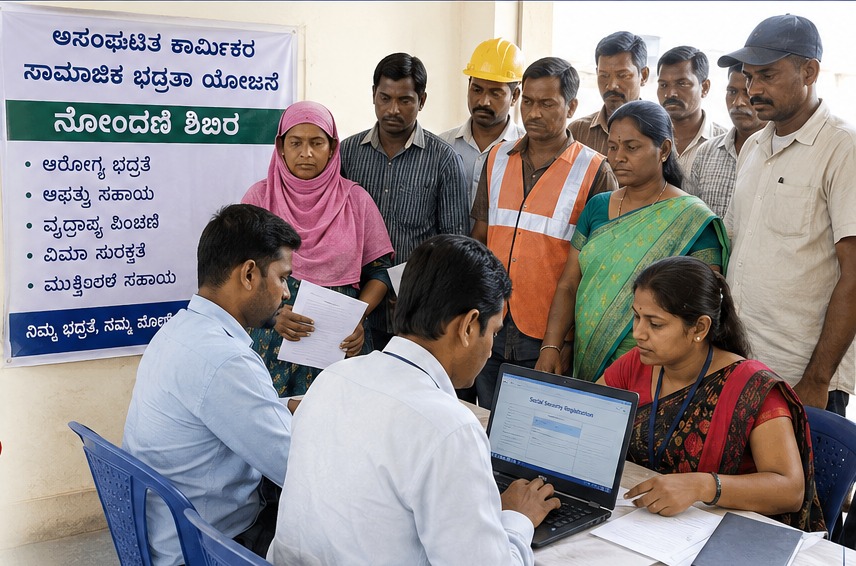
Social Security For Workers
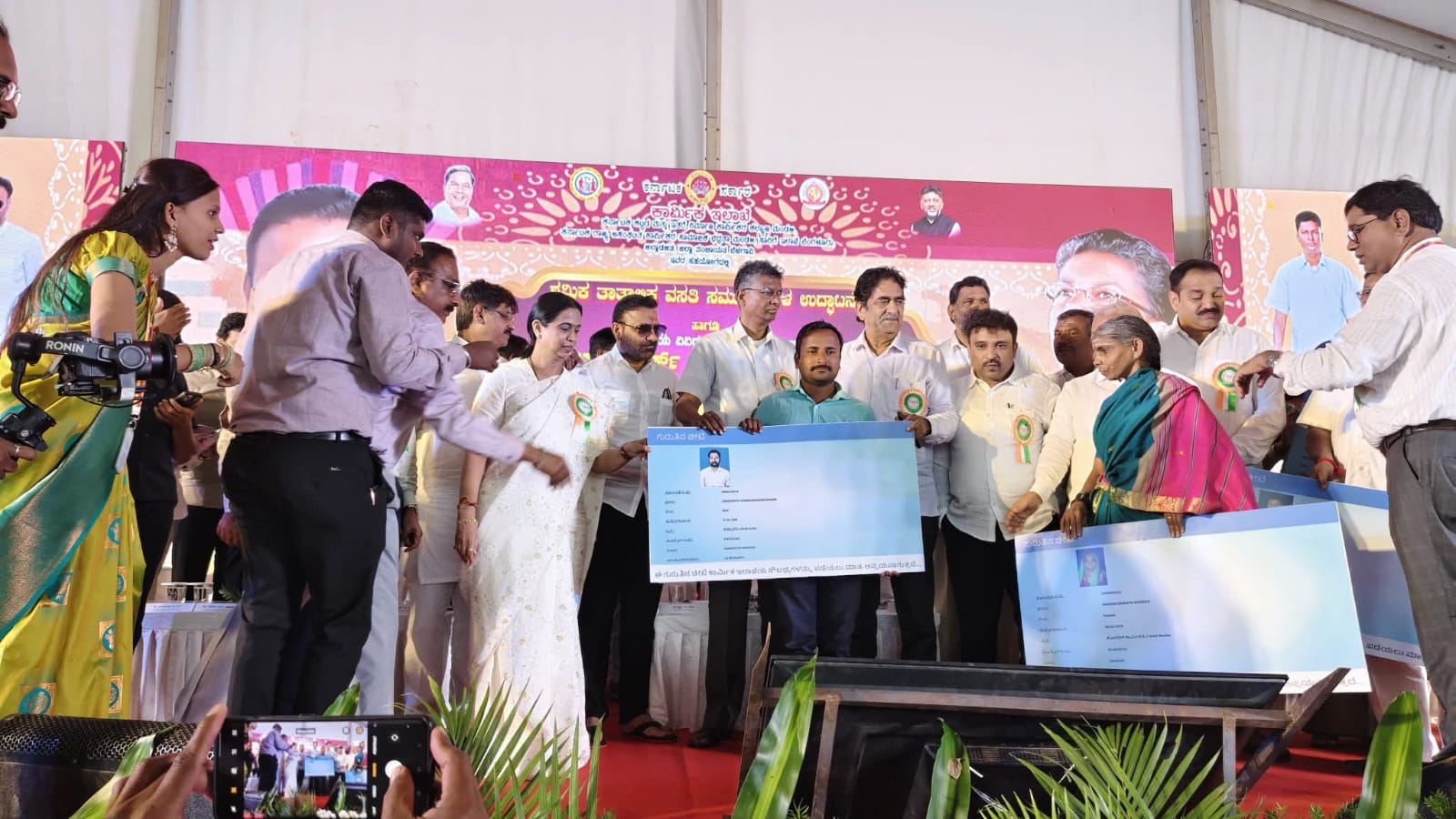
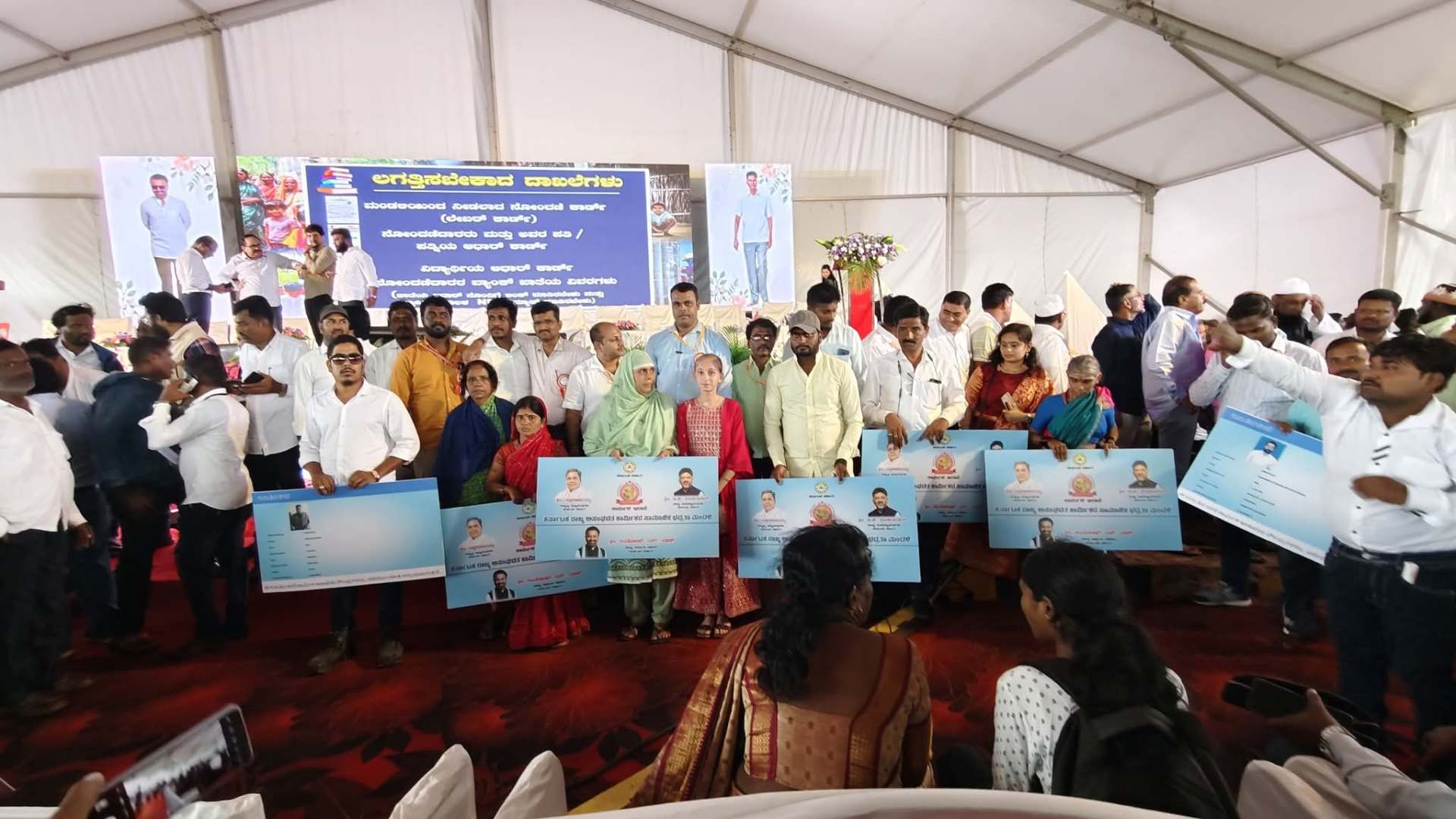
More than 3,000 individuals registered under social security schemes — door-step facilitation across all 21 recognised categories.
Karmik Kalyan Abhivruddhi Sansthe was registered in 2021 under the Karnataka Societies Registration Act, 1960, with the objective of working for the welfare and development of construction workers and communities of workers in the unorganised sector.
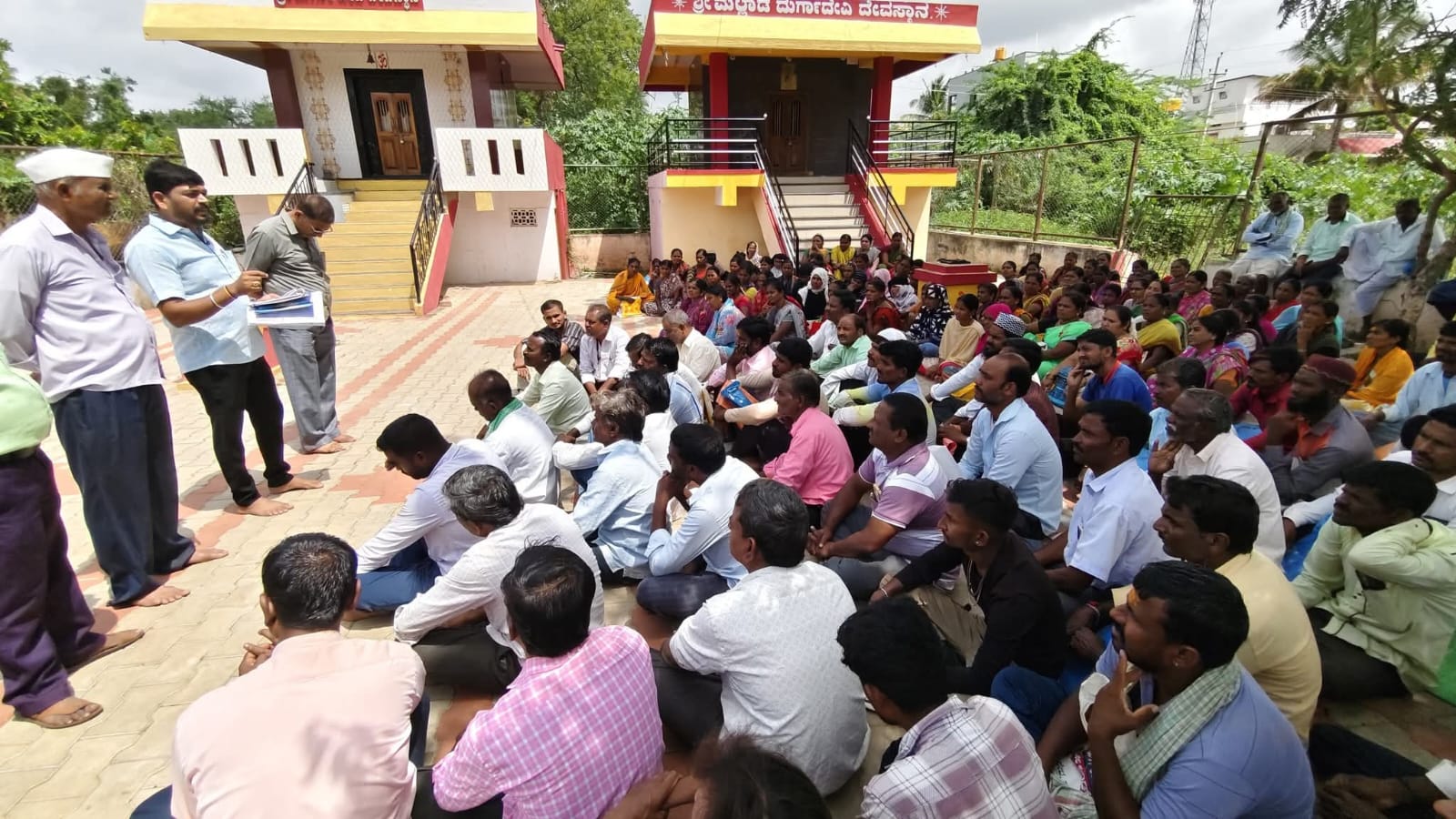
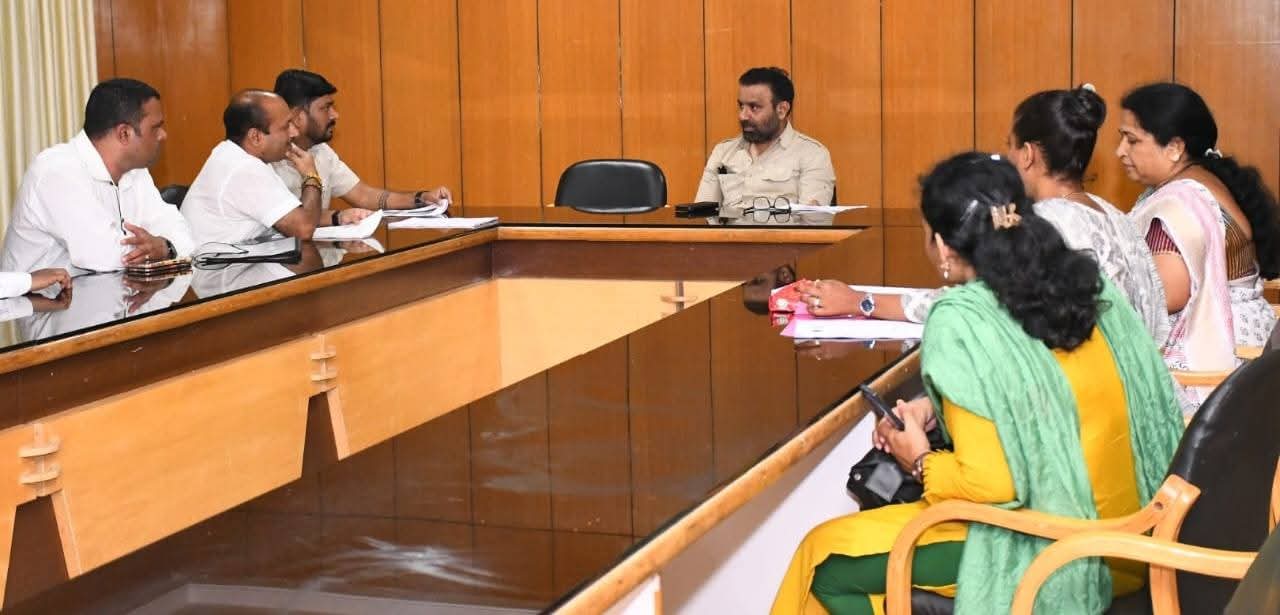
As the country was emerging from the pandemic that had placed the world under severe strain, workers continued to face significant hardships. During this period we received considerable support and cooperation from the Government Labour Department. Governments introduced new schemes in response to the suffering of workers in distress; however, there was no effective mechanism to deliver these benefits to their doorsteps. Our organisation made a sincere effort to reach construction workers by visiting households, listening to their difficulties and grievances, and facilitating access to government benefits at their homes.
In the process we identified additional worker communities and learned that the Government had recognised only 11 categories within the unorganised sector, leaving other vulnerable communities out. We conducted regular surveys across the taluks of Belagavi district, advocated for their registration under the Unorganised Workers' Social Security Board, and organised a district convention in Ramdurg urging the Government to establish Boards to strengthen vulnerable groups.
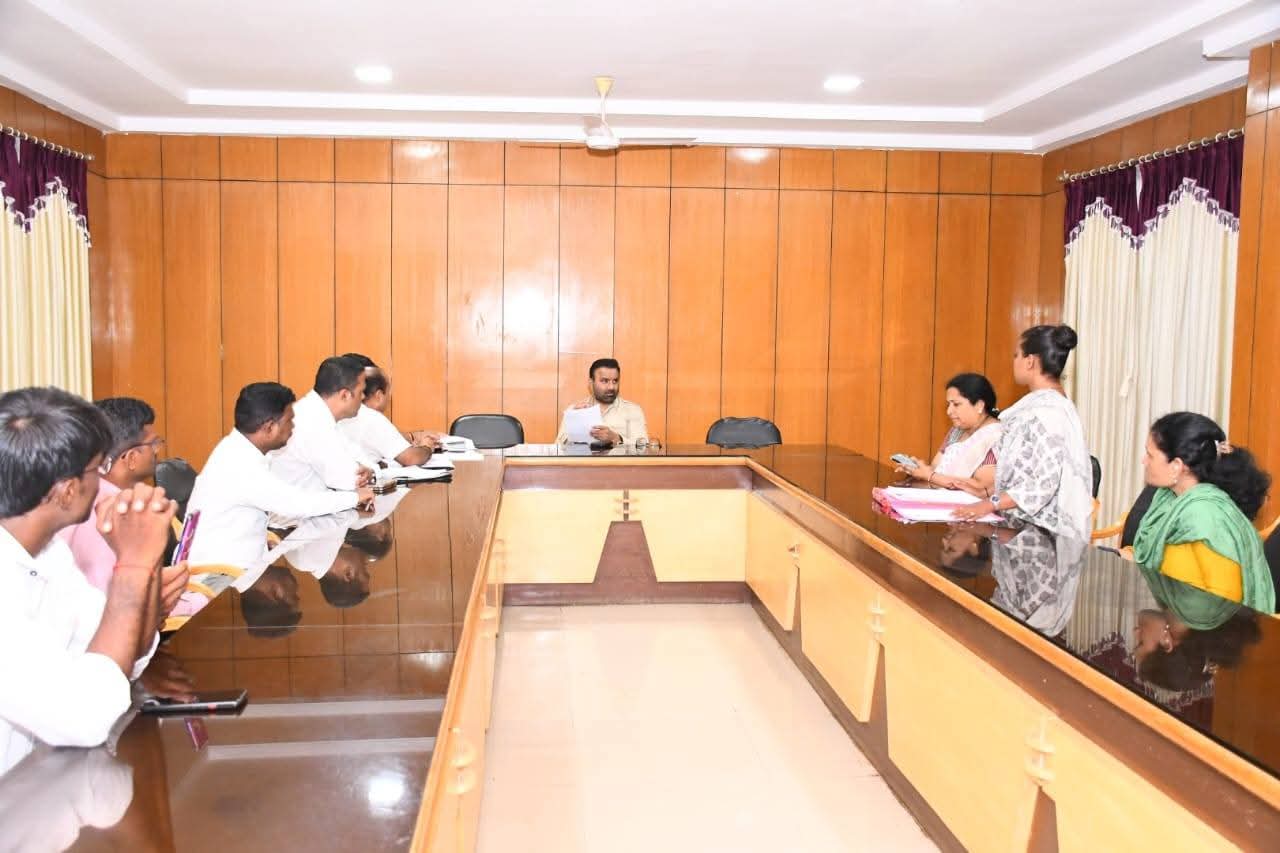
The then Government responded by proposing this in the 2022–23 Budget; however, following a change in Government, further developments came to a standstill. On 05/10/2023, when the Hon'ble Labour Minister visited Belagavi city, our organisational leadership met him and once again presented the proposal and explained its importance.
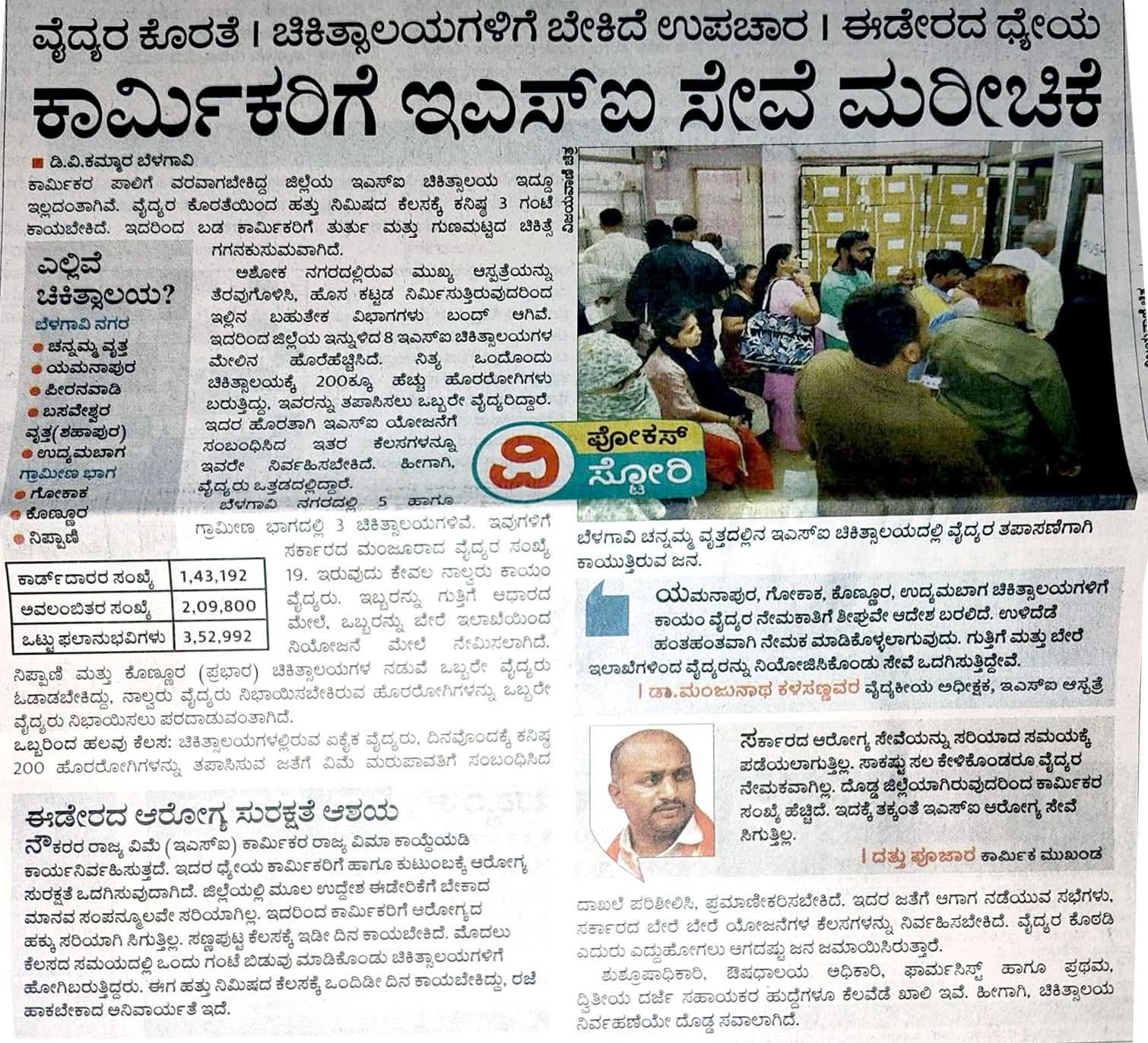
Through interactions with children of worker communities participating in our legal awareness programmes, and by observing the number of children, women and men with disabilities attending our meetings, we discussed with departmental leadership the need to bring this category under social security. In response, the Government expanded the unorganised-sector categories from 11 to 21 and included unorganised workers with disabilities — effective March 2024.
A significant proportion of persons with disabilities are workers who became partially or fully disabled due to accidents on construction sites — in some cases losing their lives. In 2024–25 alone, we documented more than 10 such cases and made sincere efforts to secure disability pension benefits for them through the Department and the Board.
By partnering in Board programmes we conducted more than 500 outreach camps for construction workers and their dependents, and provided RPL skill certification to 2,400+ workers. We run consistent annual training in tailoring & ready-made garment production and technology-based computer training. In 2025–26we launched "Sannaddha" for Class 10 pre-board coaching and "Tuition with Nutrition" for migrant kiln workers' children — and we are advancing toward specialised MEP training for out-of-school youth seeking skilled vocational careers.
A world in which every individual in the unorganised sector lives with dignity, and families are empowered through supported programmes in education, health and livelihood.
To empower unorganised-sector workers through labour advocacy, social protection, skill development, education and health interventions — creating impact in 82,250 lives by 2030.
Transparent governance, community partnerships and measurable outcomes — every rupee, hour and effort accounted for and shared with our supporters.
Work for the welfare of construction workers.
Promote the overall well-being and development of women, children and families within the unorganised sector.
Design and implement programmes for the education of children of unorganised workers.
Provide vocational training to women, enabling skill-based livelihoods that support household management.
Prevent dropouts through scholarships, exam coaching and free learning materials.
Support healthy growth via nutritious food, early childhood and primary education.
Safeguard community health through camps, mobile medical check-ups and free treatment.
Work for the livelihoods, education, health and rehabilitation of persons with disabilities.
Provide free vocational skill training for youth and support them in securing employment.
Work for persons with disabilities, widows and other vulnerable groups in the community.
Area-wise meetings to surface real issues and concerns.
Identify persistent, long-term challenges.
Advisory Committee builds a Change Management Plan.
Project report reviewed and approved by the Board.
Budget prepared; fundraising committee submits reports.
SMART delivery — outreach, registration, finance, execution.
Monitoring of programmes, attendance and expenditure.
Measure outputs against targets and adopt better practices.
Document beneficiary stories and programme outcomes.
Publish annual reports, audited financials and follow-ups.
Audited numbers from our day-to-day fieldwork.
More than 3,000 individuals registered under social security schemes — door-step facilitation across all 21 recognised categories.
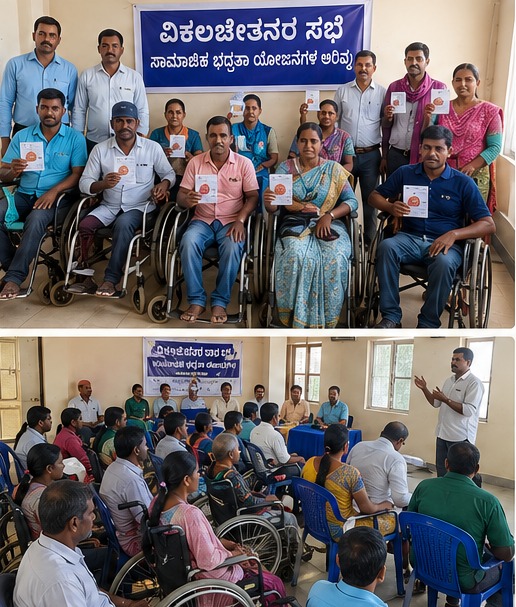
340+ PwDs registered under welfare schemes; 50+ awareness sessions; end-to-end disability pension support for 10+ accident-affected workers.
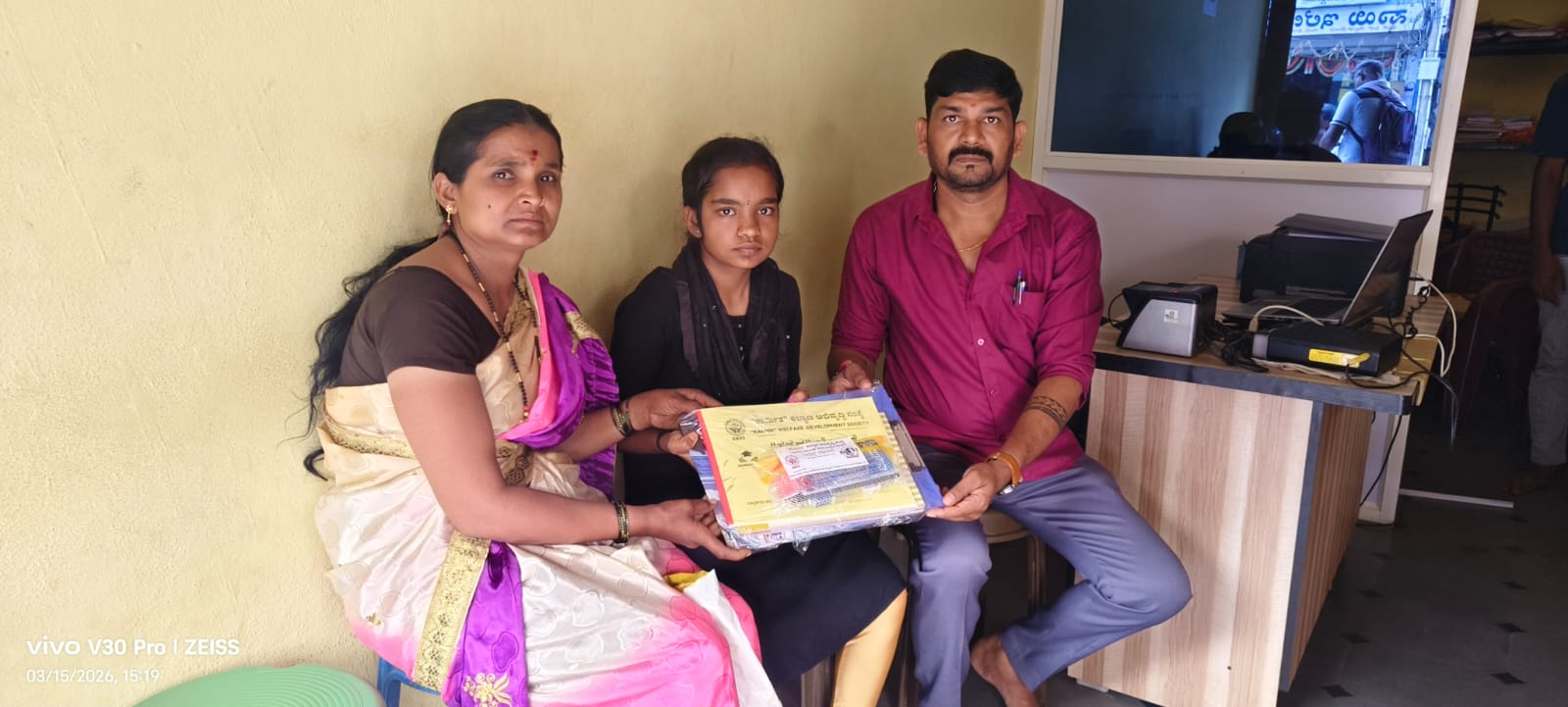
Tuition with Nutrition for 100 migrant kiln children (2 batches); 4,000+ children supported via scholarships; Sannaddha pre-board coaching for 100+ Class 10 students.
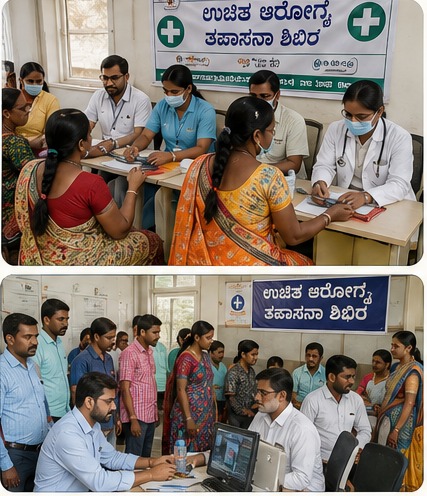
100+ camps with Ind Lab (2022–23); 300+ camps with Ready Media Hospital (2024–25); 3–5 Mobile Health Clinic camps per Gram Panchayat each month — 1,000+ beneficiaries.
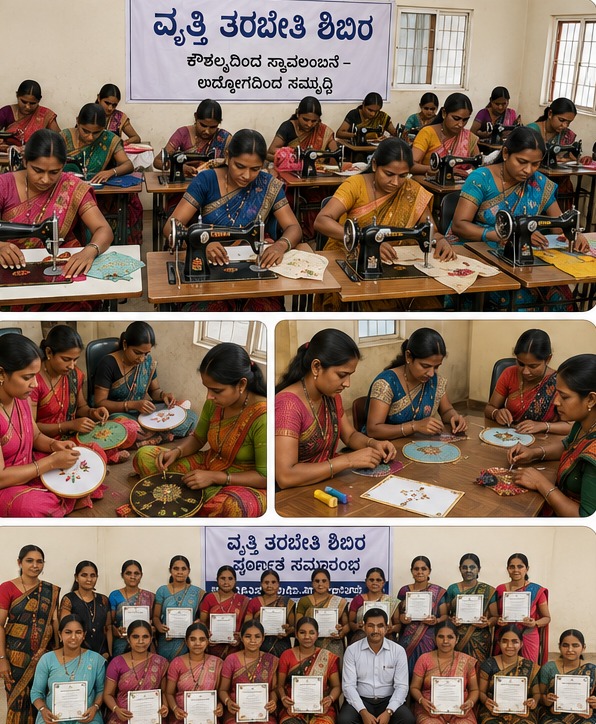
600+ women trained in tailoring, embroidery and aari work — 150+ new women complete vocational training every year.
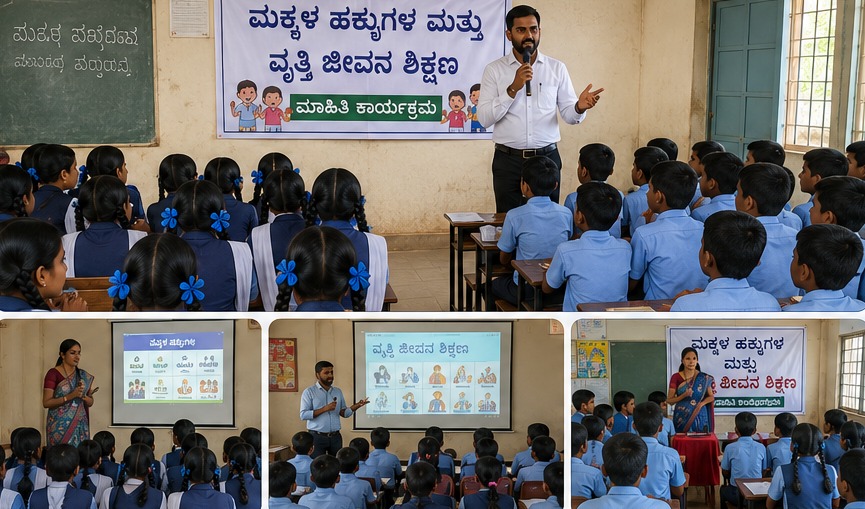
50+ primary and secondary schools covered with awareness sessions on children's rights and career education.
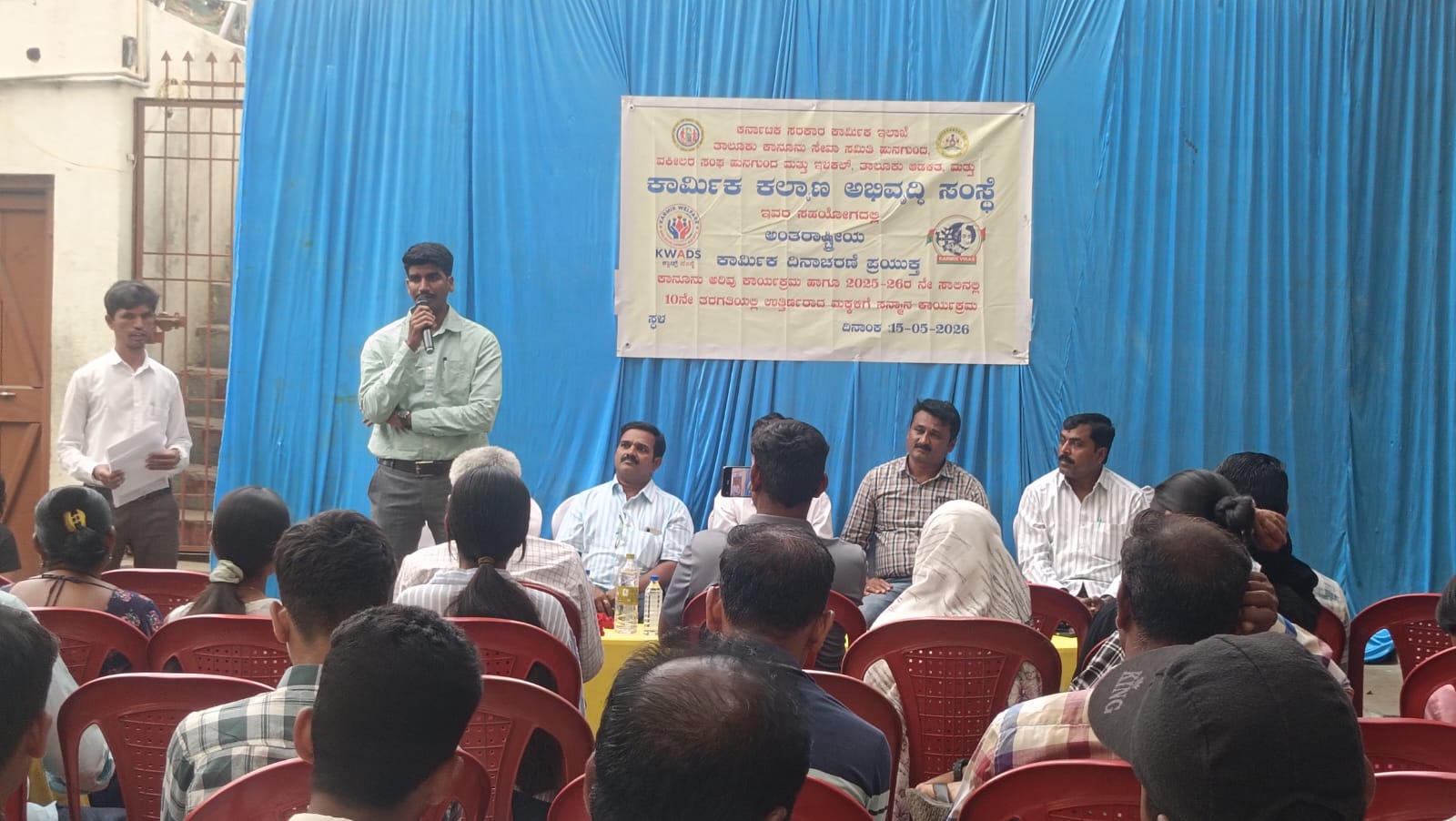
4 taluk-level meeting series each year — legal awareness, entitlements, PPE safety and road safety — 250+ workers per meeting, 40+ meetings, 8,000+ beneficiaries annually.
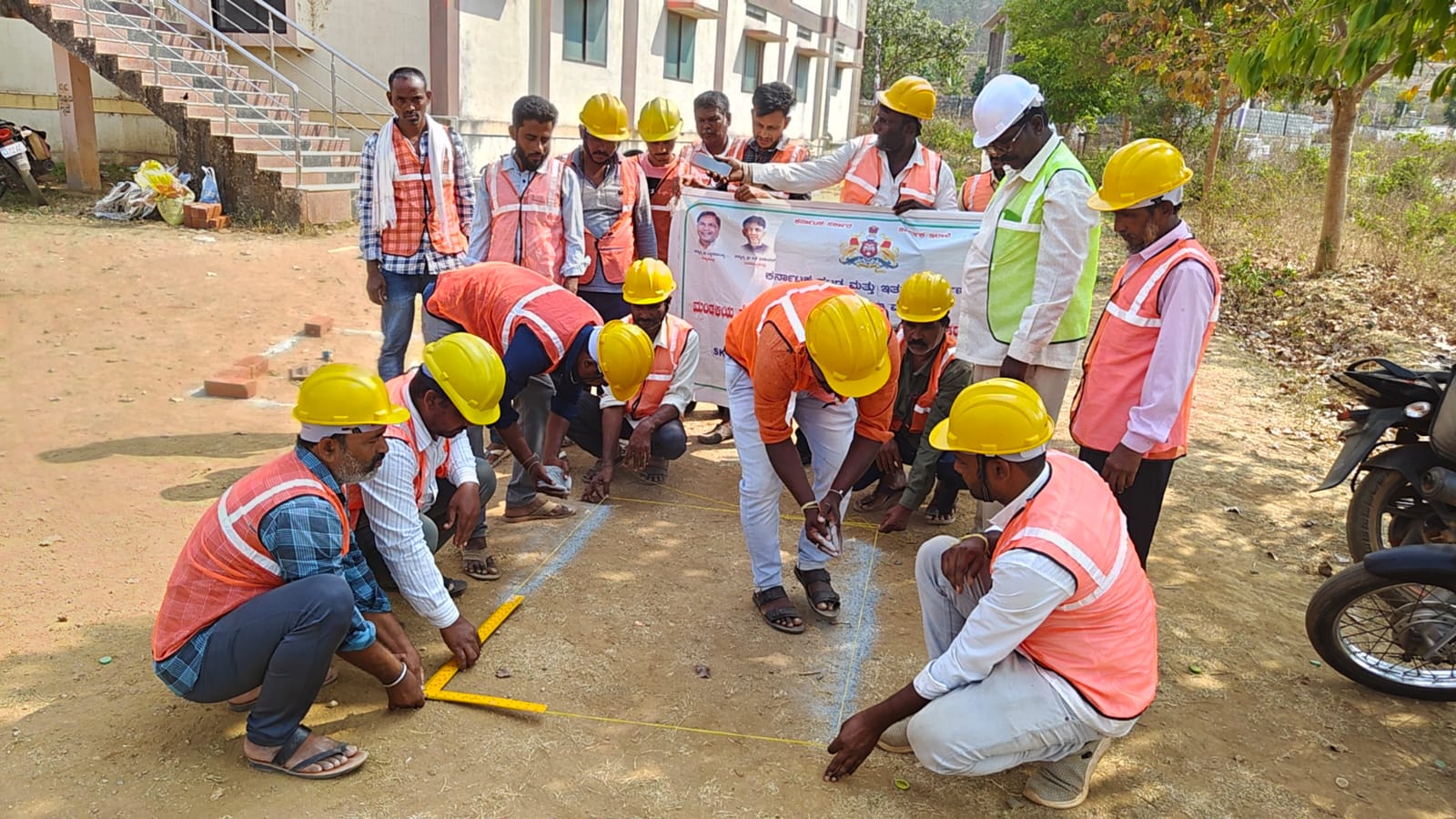
RPL certification for 2,400+ workers in 2025–26 with Amigos and Skill Root; 500+ children certified in annual computer & technology training programmes.
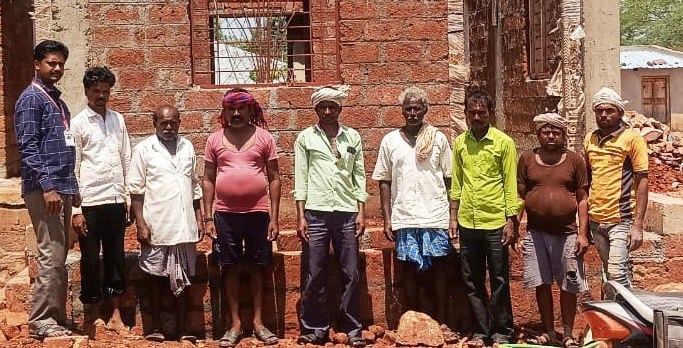
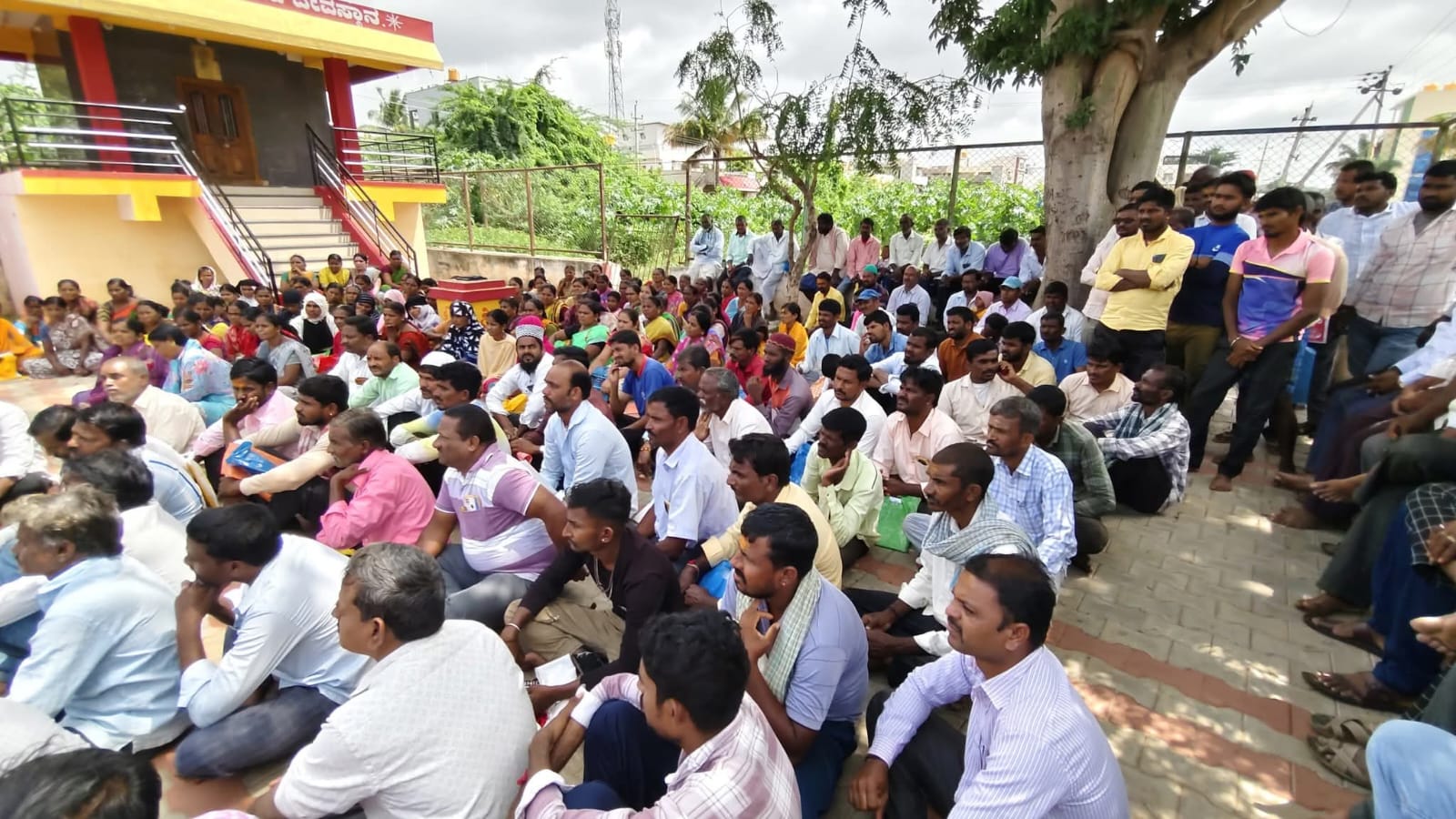
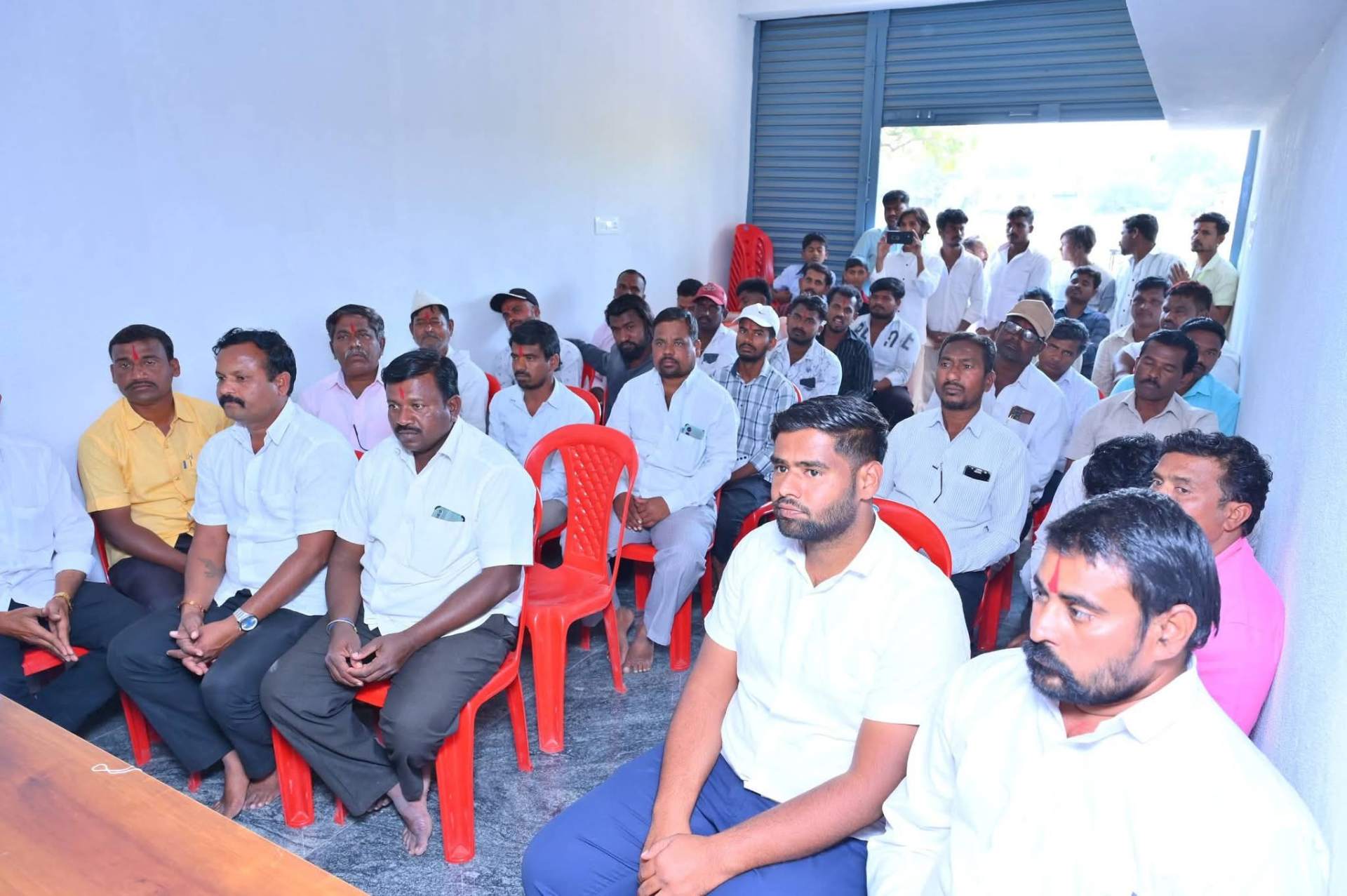
Over five years, we have worked across the taluks of Belagavi district. At the Gram Panchayat level, worker groups are formed trade-wise and trainings are conducted for them. To mobilise workers, we identify and develop Karmik Mitras (volunteers) who register workers in our database and connect them to schemes.
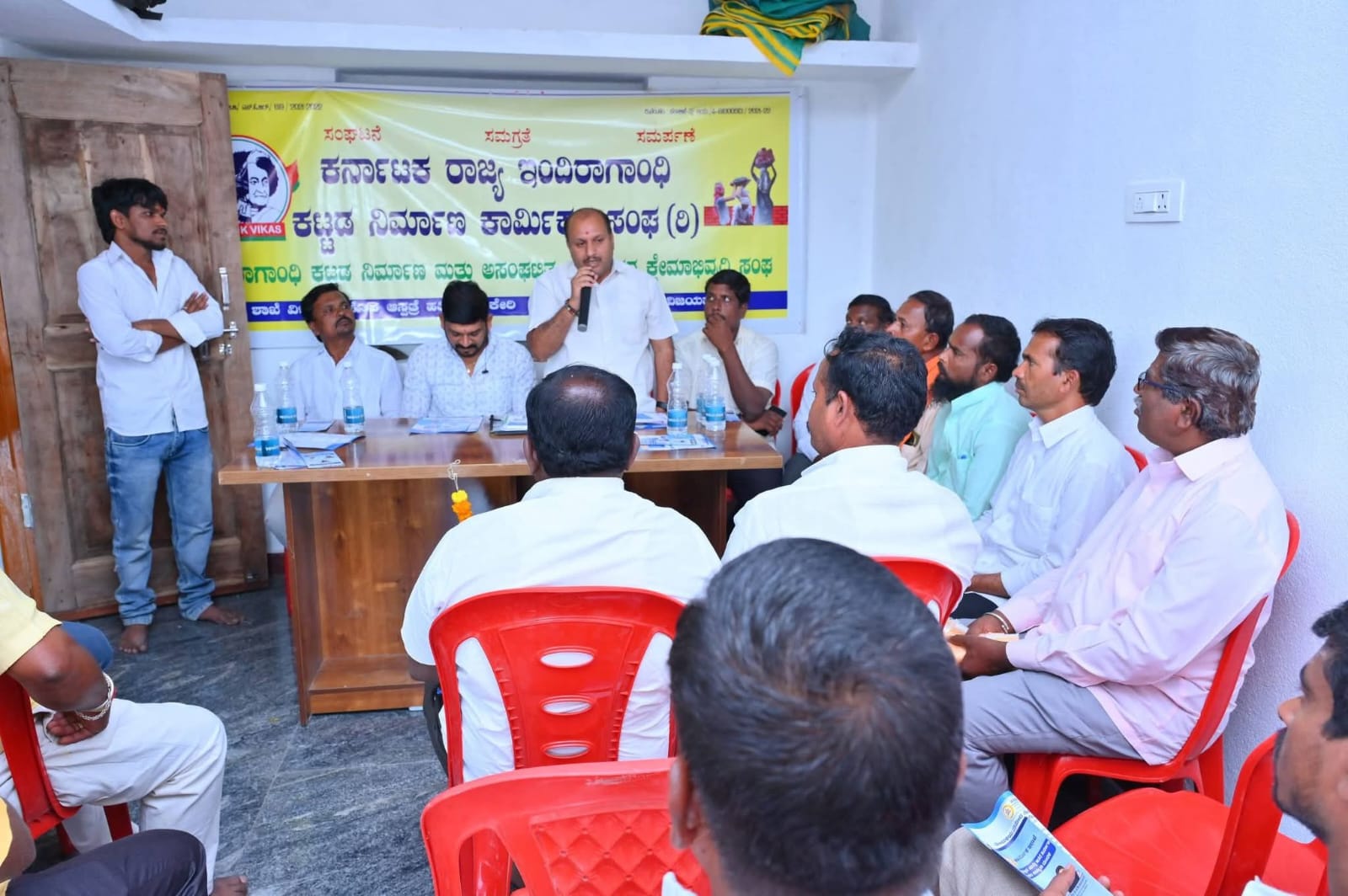
Our meetings are strengthened by inviting Gram Panchayat members, PDOs, Stree Shakti leaders, youth groups, representatives of persons with disabilities, School Development Committee heads, farmer association leaders, dairy cooperatives, teachers, Anganwadi and ASHA workers, and Sanjeevini SHG federations.
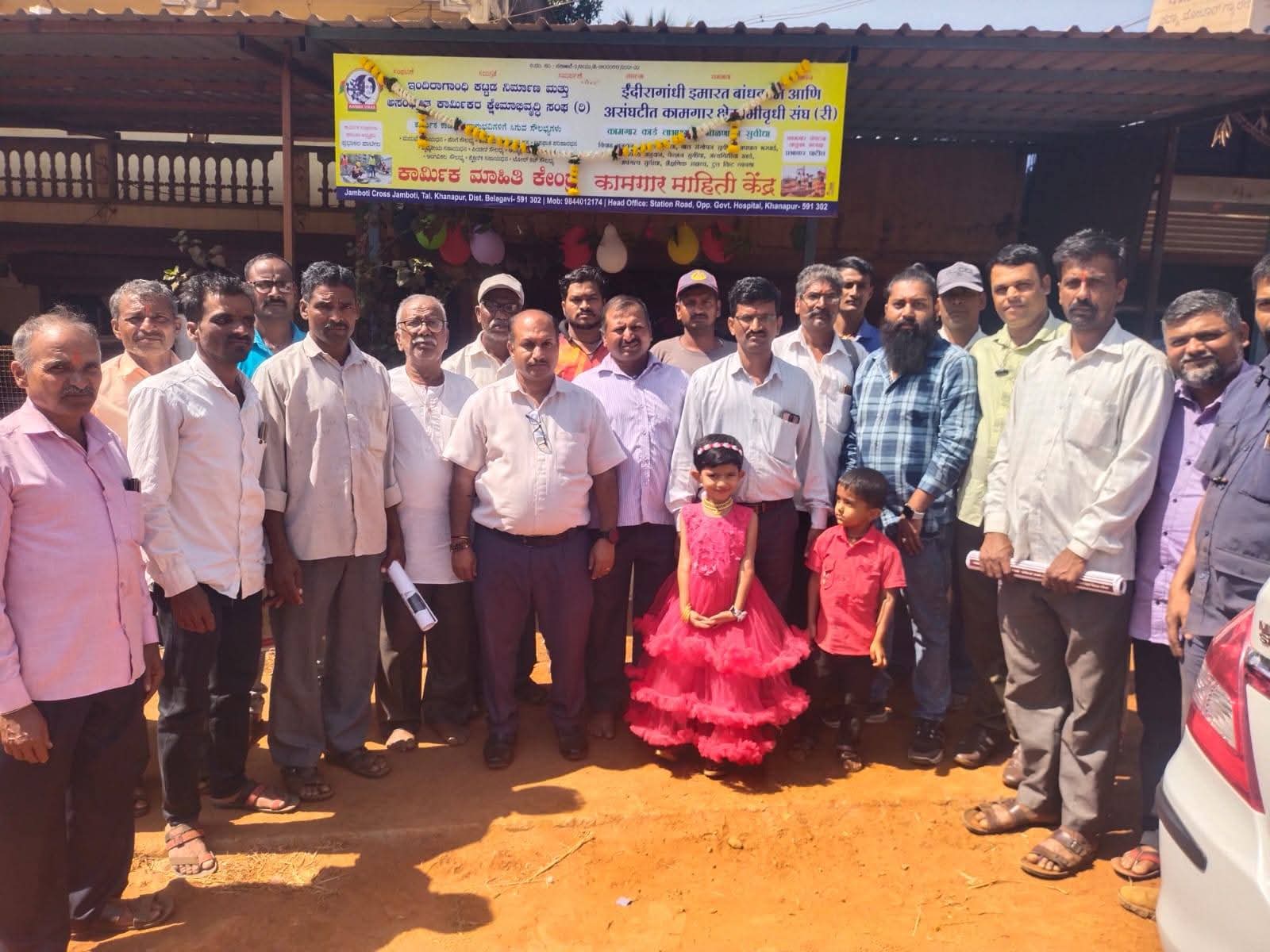
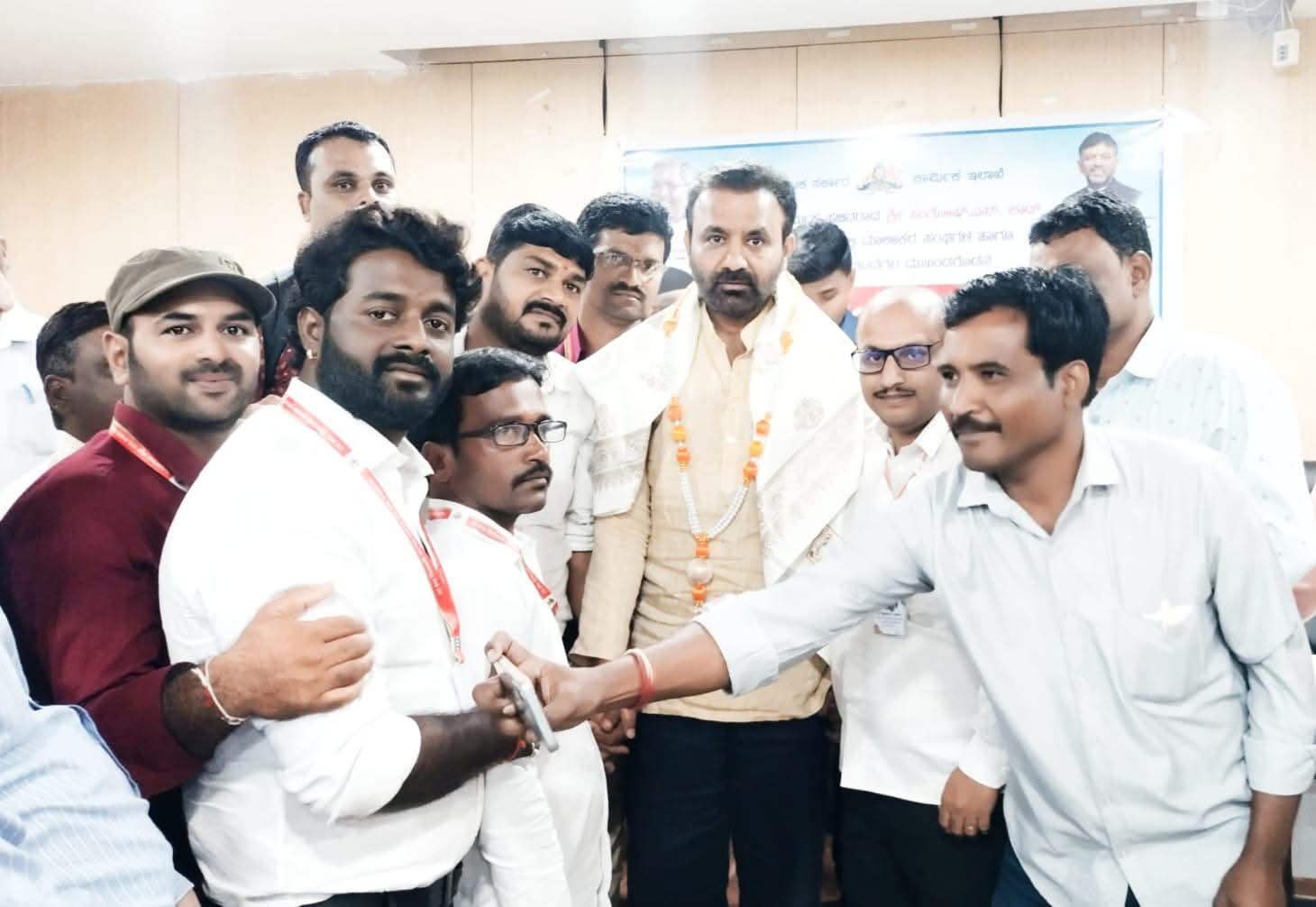
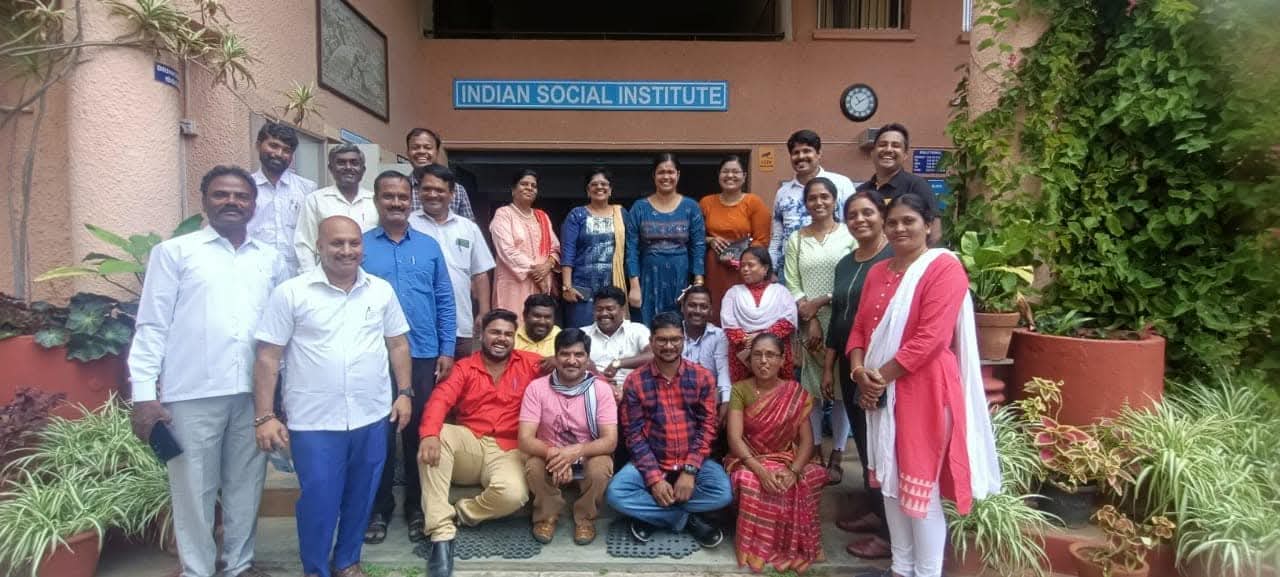
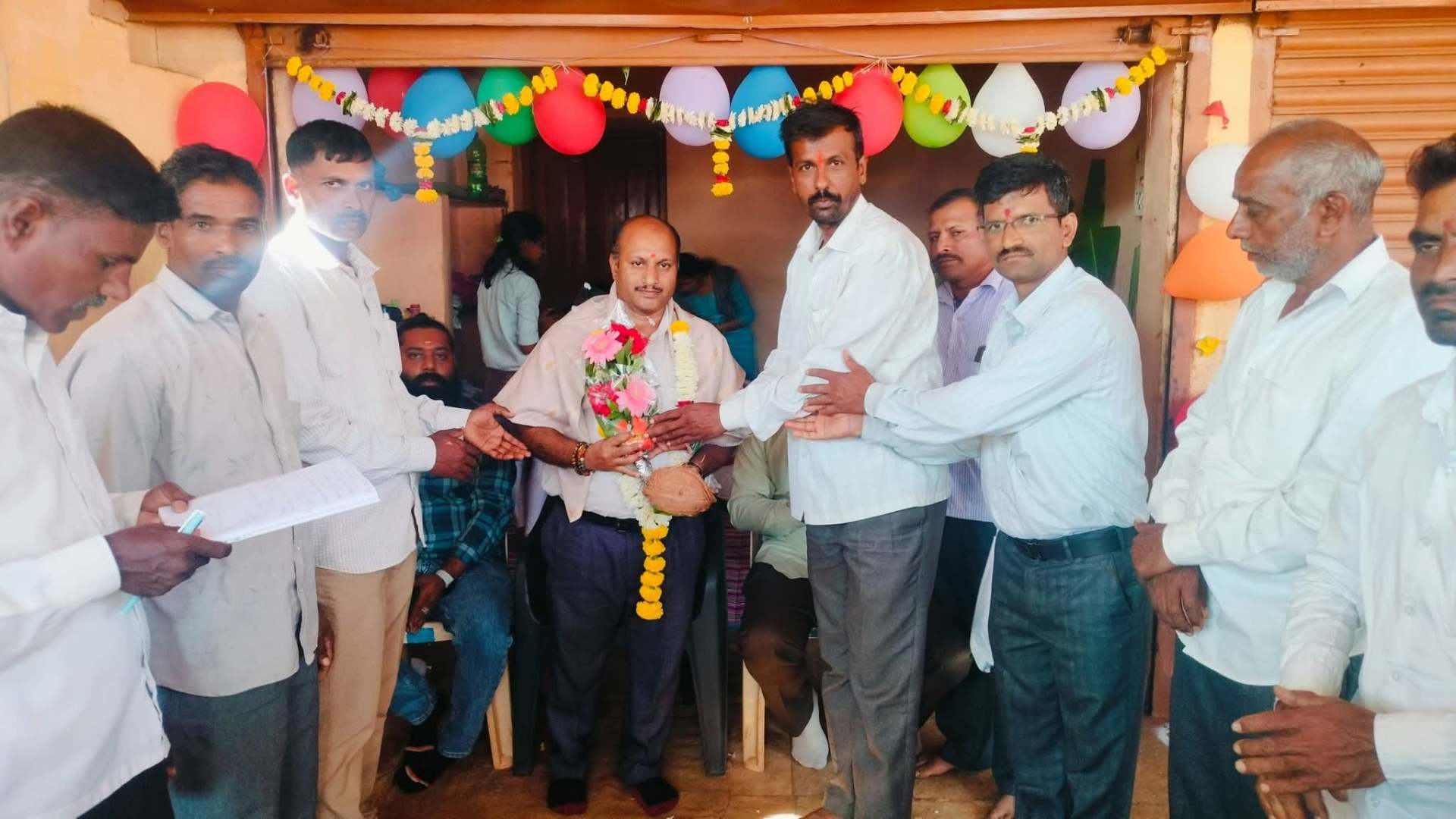
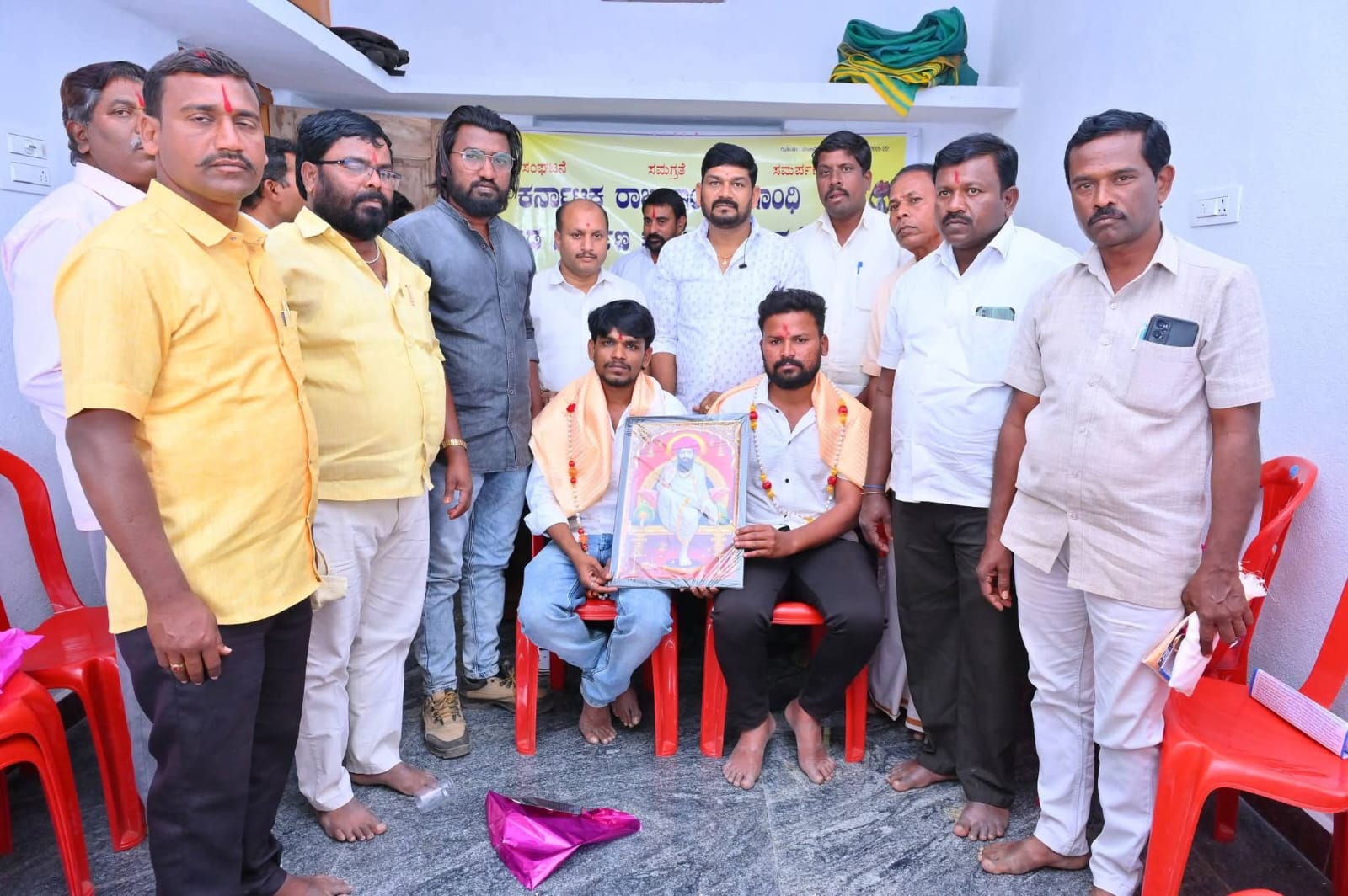
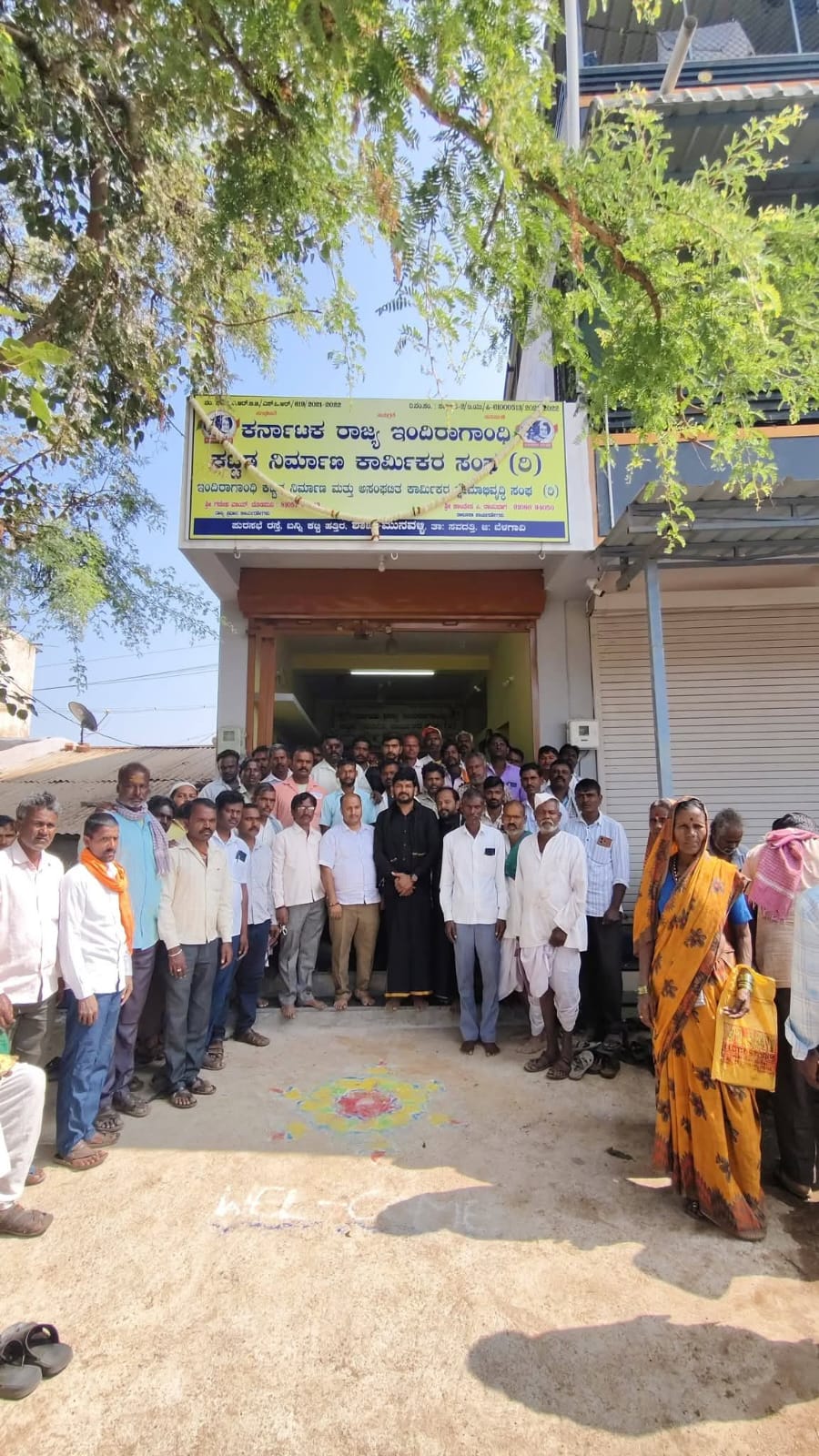
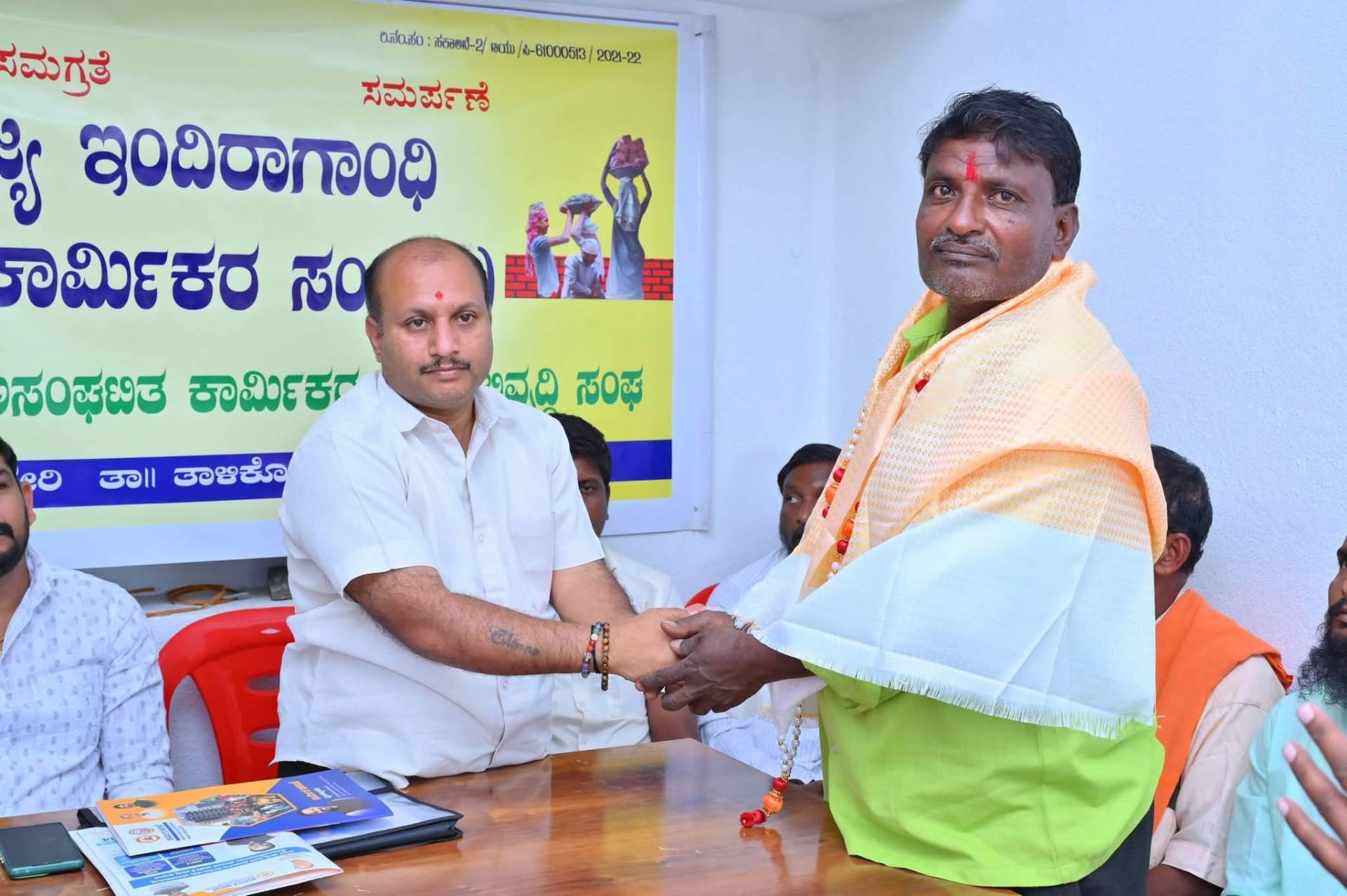
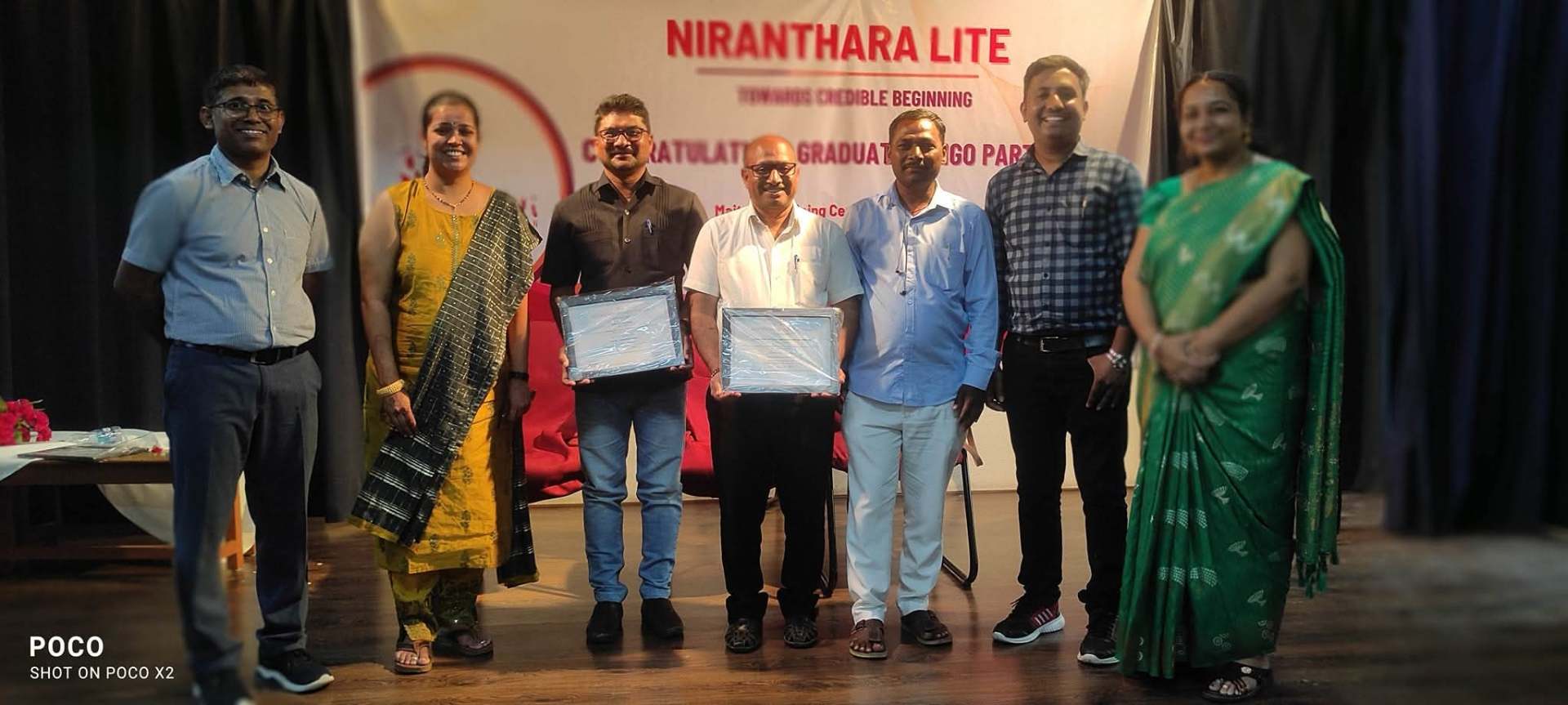
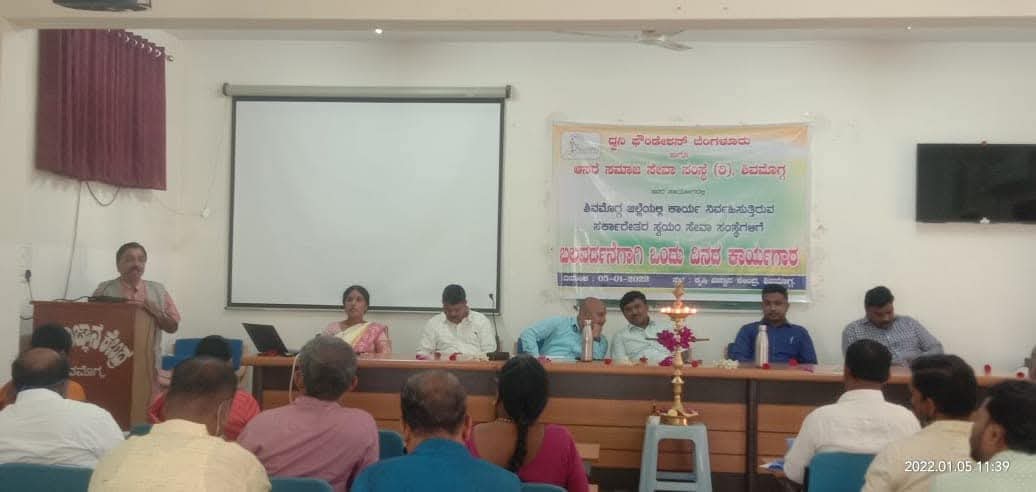
Become A Karmik MitraFederation meetings, leadership felicitations, Karmik Information Centres and district workshops — strengthening worker collectives across Karnataka.
Donate, volunteer or partner — every action multiplies the impact.